read more
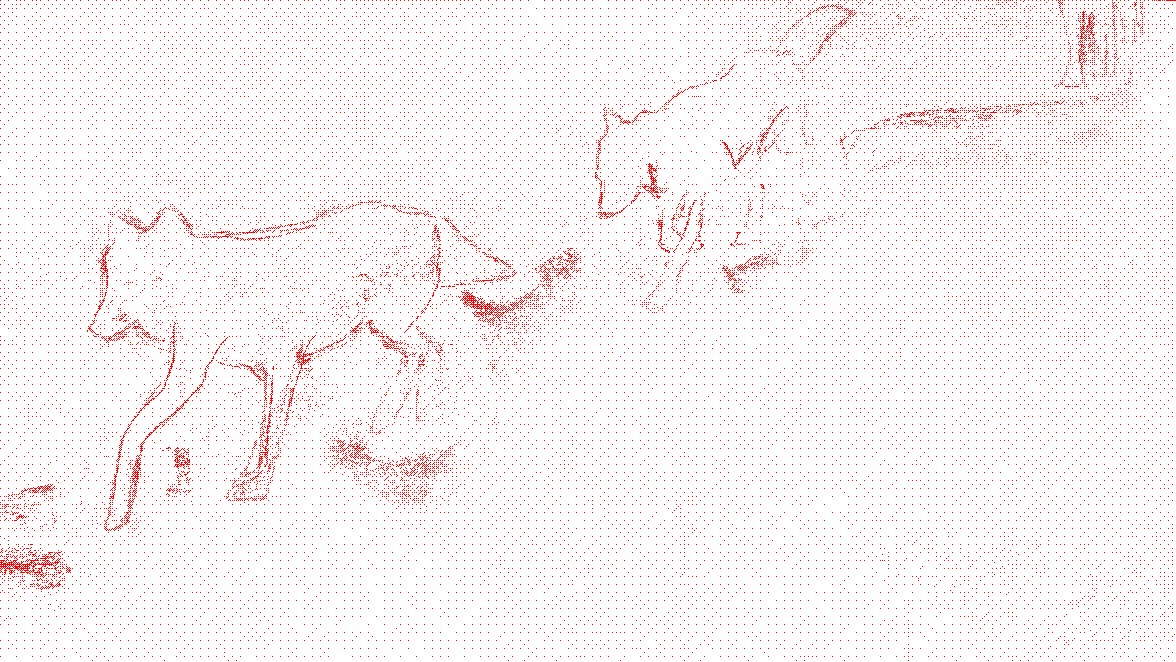
Wolves
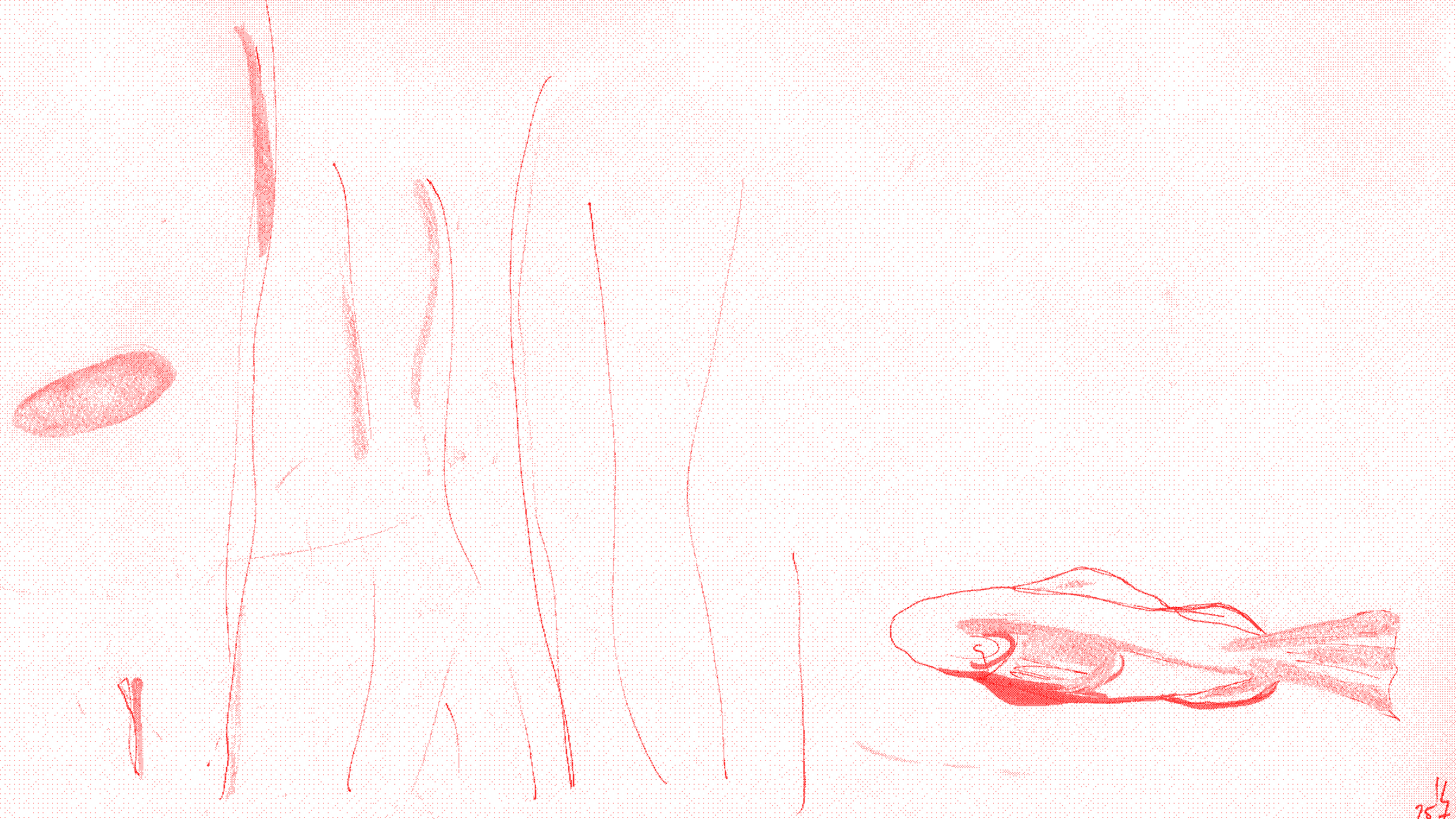
Fish
Elisabeth Tauber
Principal investigator
Unibz
Anthropologist
Alvise Mattozzi
Co-investigator
Politecnico di Torino
Sociologist
Elisabeth is a sociocultural anthropologist with research interest in mnemonic practices and silence—both along nomadic routes and within archives. This let her engage with the epistemological dimensions of the unsaid, understanding silence as constitutive social practices and forms of relating to land and perceiving time.
Her research with other-than-humans unfolds within multidisciplinary networks that look at humans, small ruminants, large predators, and plants – more specifically grass. Within these she explores the poetic and political entanglements between human and other-than-human forms of knowledge through a patchy and walking ethnography.
Alvise Mattozzi, sociologist, works at the crossroad of Social Studies of Science and Technology and Design Studies, within an Actor-Network Theory framework.
Seçil Uğur Yavuz
Research team member
Unibz
Designer
Lara Giordana
Researcher
Politecnico di Torino
Anthropologist
Seçil’s research explores the blurred boundaries between the analog and the digital, particularly through participatory and embodied design methods to imagine and prototype alternative narratives and practices. Her research aims to catalyze dialogues and spark new visions of socio-technological entanglements, moving toward more sustainable and desirable future(s).
Lara is an anthropologist learning from how people relate to and care for their environments. Through ethnography, she explores the diverse forms these relationships can take, from the ecological intimacy of the Kanak people in the Belep Islands (Kanaky New Caledonia) to the enduring practices of traditional commons management in Alpine regions. Water – whether fresh or salt – runs as a continuous thread through her work. As part of the DSooE project, she traces how engineers, conservationists, and anglers engage with rivers and their aquatic inhabitants, documenting the situated knowledges, affective attachments and practices of care that shape these relationships.
Micol Rispoli
Researcher
Politecnico di Torino
Architect
Lisa Maria Zellner
Researcher
Unibz
Artist
Micol is an architect and a transdisciplinary scholar working at the intersection of spatial practices, Science and Technology Studies (STS), and anthropology. Questioning the idea of design as an operation aimed at shaping passive worlds, she pays attention to the more-than-human entities often neglected by the modernist tradition. Within DSooE, she has been exploring what can be learned from the encounters and frictions between multispecies spatial practices. Her research looks for ways to foreground plural ways of dwelling, creating situations in which she – and other technicians – can be affected by them, opening new, careful avenues for design, so as to foster more livable worlds.
Lisa Maria Zellner is an artist and researcher whose interdisciplinary practice bridges art and science through the tactile language of textiles, the expressive fluidity of painting, and the structural possibilities of sculpture. Her work challenges conventional boundaries between disciplines, creating a unified exploration of socio-ecological conditions and technological advancement.
European bullhead
Cottus gobio
Research Partner
Rivers in Piedmont
Freshwater Fish
Italian riffle dace
Telestes muticellus
Research Partner
Rivers in Piedmont
Freshwater fish
With a broad, stone-like head, bulging eyes, and a fleshy mouth, Cottus gobio lives up to their English name. Rarely exceeding 15 centimetres, their wide, fan-shaped pectoral fins and defiant posture make them a creature even larger fish approach with respect. They belong to cold, fast-flowing mountain waters, where streams run clear and rich in oxygen. By day, Cottus gobio vanishes into the riverbed, pressed against gravel beds or hidden beneath stones, their bare, scaleless skin melting into the colours of the stream. But at dusk, they move in quick bursts in search of larvae, fish eggs, and small fish.
Silvery and slender, Telestes muticellus glides in shoals through foothill streams and swift river stretches, weaving also through canals and spring-fed channels of the plains. In the breeding season, the orange flare of their fins glows bright. Agile jumpers for their size, they feed on tiny invertebrates and small algae, at times breaking the water’s surface to snatch insects on the wing. They crave the freedom of unbroken waters to complete their life’s journey.
Padanian goby
Padogobius martensii
Research Partner
Rivers in Piedmont
Freshwater fish
Wolf
Canis lupus
Research Partner
Eastern Alps
Carnivorous mammal
In the cool, spring-fed waters of the plains, where light filters through vegetation and the water breathes with oxygen, Padogobius martensii slips deftly between pebbles and sand with its slender body. A small benthic fish, they reach no more than 10 centimetres in length and live close to the riverbed. Loyal to their territory, they guard their hidden nest with tenacity. Shy and mostly active at dusk and night, Padogobius martensii ignores anglers’ lines, feeding on larvae and adult insects of the benthic world. Their presence speaks of waters still alive, where every stone is a refuge and a boundary.
In the European forests, on military training grounds, and in the lowlands, the Eurasian wolf (Canis lupus) has returned, either alone or in closely bonded packs. Her pack usually consists of parents and their offspring. The pack follows a strict hierarchy, reinforced through body language, vocalizations, and scent marking. Through her howling, she strengthens bonds with other wolves and defends her territory. Hunting is cooperative, with the pack working as a team to take down large prey, and all members help in raising the young. Wolves are territorial animals, patrolling and defending their range against rival packs.
Crafty practices make situated, embodied, and more-than-human forms of knowing perceivable. They foreground how knowledge emerges through adjustment, maintenance, and negotiation within entangled practices.
Building on field-specific observations of these practices, we extend the concept of craftiness beyond disciplinary and species-specific boundaries. From this foundation, we also developed dialoguing practices as new modalities of knowledge production that unlock both epistemological and ontological dimensions of exchange among diverse actors.
read more
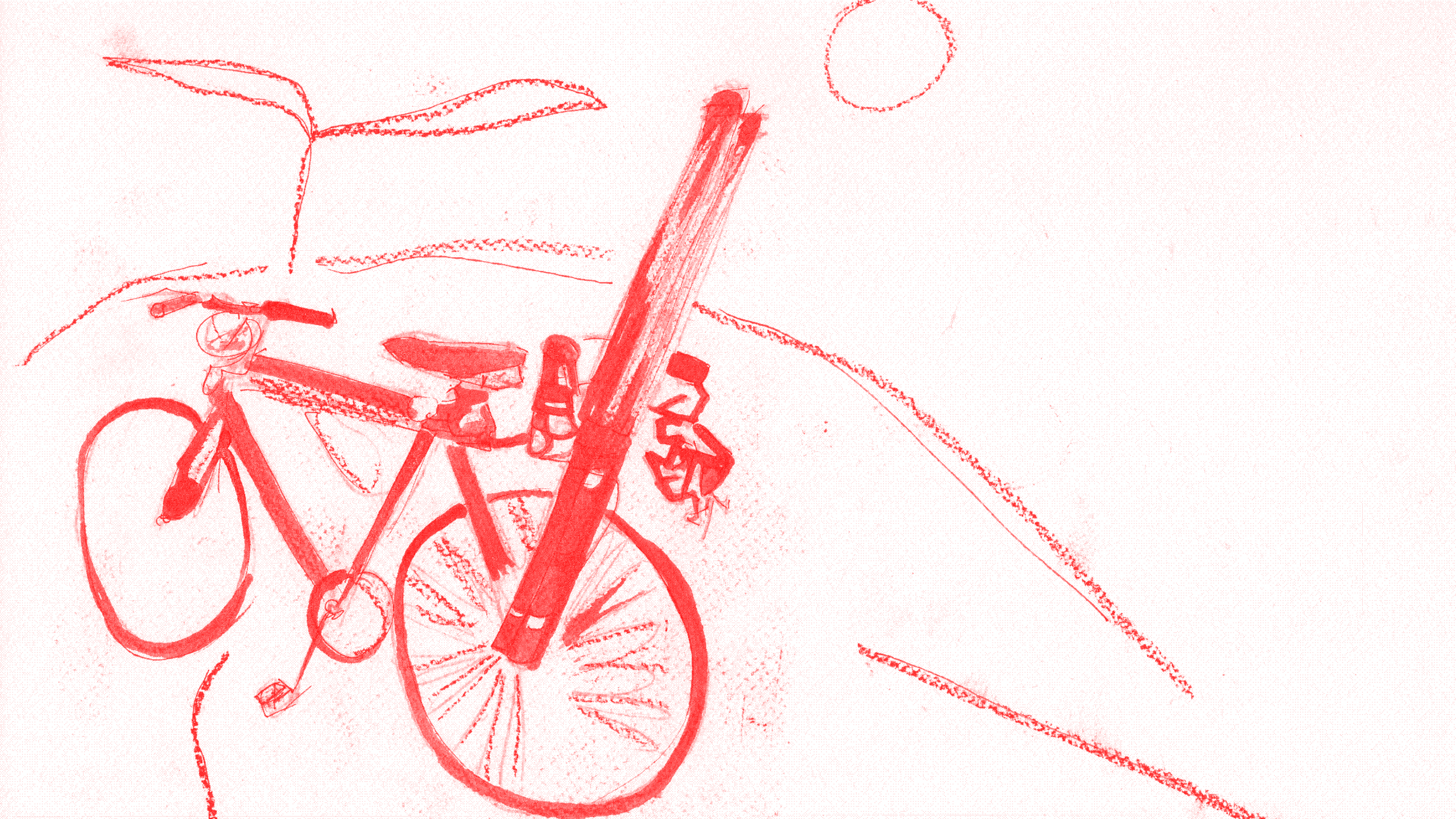
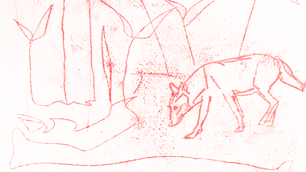
Grounded in research across freshwater and grassland contexts, our approach draws on crafty practices that create worlds where diverse species flourish together.
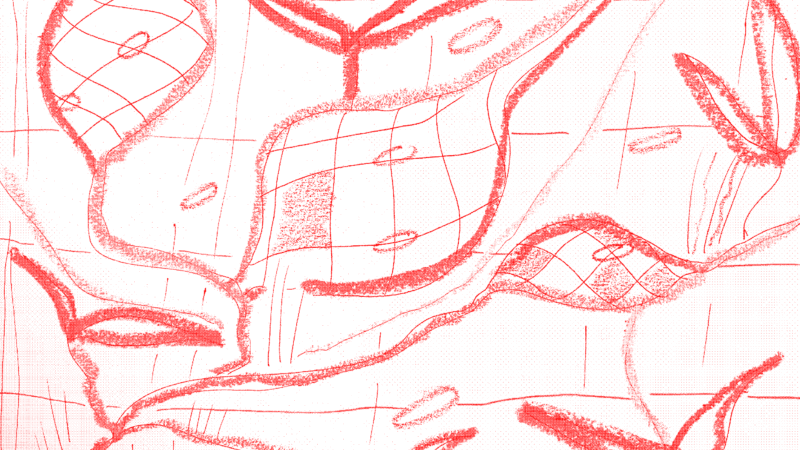
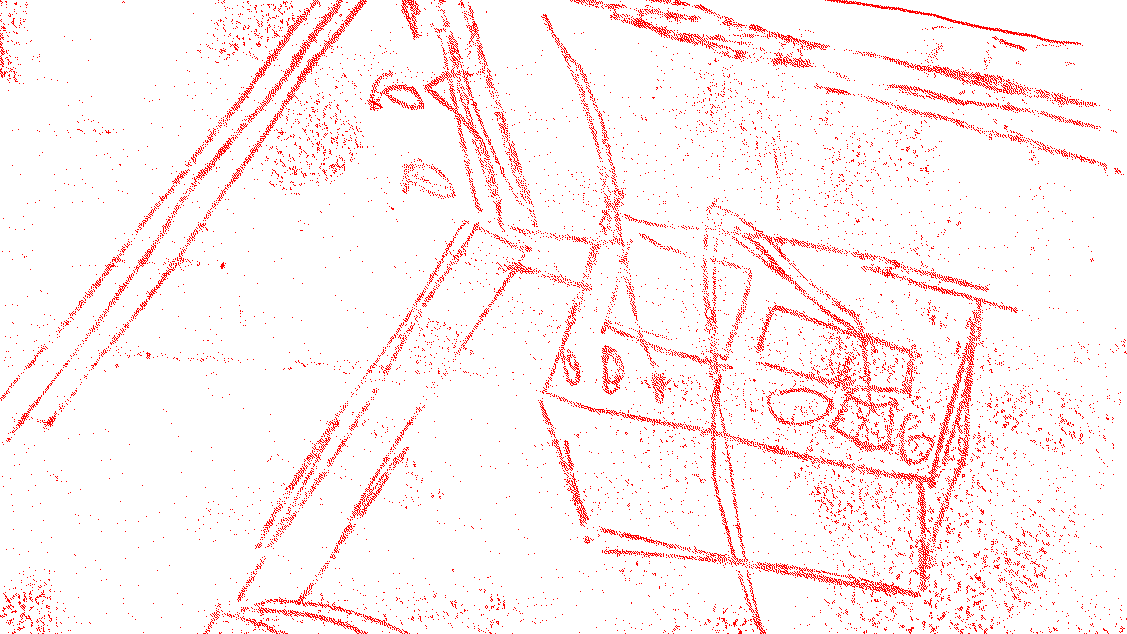
In diaologuing practices we focus on masking and mapping, developing hand-drawn and digital templates, maps, and technological artifacts that reflect the ecological realities of Alpine and pre-Alpine habitats.
Dialoguing practices unfold through encounters with diverse field experts ‒ herders, anglers, wildlife monitors, ecological engineers, public officials, and researchers. Interlocutors engage with the practices while adding their own hand-drawn elements, elaborating their perspectives and making them explicit. While primarily targeting studio engineers, all experts working in the field of ecological engineering are invited to experiment with this medium.
read more

Rasa Weber
designer, academic, diver
PhD-Candidate at SNSF “Interfacing the Ocean“ Zurich University of the Arts & Linz University of Art and Design Research Associate at “Matters of Activity.” Cluster of Excellence at Humboldt Universität zu Berlin;
Wels catfish
Silurus glanis
freshwater fish
Europe’s largest freshwater fish, Silurus glanis, can exceed two meters and 100 kilos, their scaleless bodies gleaming like metal. Native from the Rhine to the Ural, they now thrive where others fade. Disruptive yet fascinating, these unchallenged hunters move through feral ecologies, unsettling the rhythms of predation and reminding us that balance in the waters bears the weight of human choice.
Yelena Arakelow
dancer, choreographer, producer, teacher
Her specialisation in dance lies in improvisation. She likes to question the boundaries of what dance can be and is invested in the unfolding of attention, the use of gaze, and the intimacy of dwelling in performative states.
Carlo Ruffino
researcher, wildlife technician, angler
PhD student at the University of Turin, studying the impact of invasive alien species and restoration strategies to ensure the longitudinal connectivity of waterways. He has experience in fish conservation and river habitat restoration.
Daniel Nyqvist
researcher, biologist
He works on fish behavior and ecology. His current work at the Swedish University of Agricultural Sciences focuses on ecological restoration and monitoring related to hydropower. He is particularly interested in the connections between ecology and society.
Flavia Suraci
biologist
Field assistant and laboratory technician at the Swedish University of Agricultural Sciences. She studied biology and specialized in aquatic ecology.
Marble trout
Salmo marmoratus
freshwater fish
They have coursed through the left tributaries of the Po for hundreds of thousands of years, their presence unique to this basin. With marbled coats and lengths that can exceed a meter, they earned legendary names whispered along riverbanks. Today, these ancient dwellers are among Europe’s most threatened species.
Giacomo Olivero
naturalist
An agronomist with expertise in entomology and botany, and a former science teacher, he is engaged in initiatives for biodiversity conservation and ecological restoration.
Davide Bonetto
naturalist
A technical coordinator for the Life Minnow project for the Province of Cuneo, he works on conservation and restoration efforts for freshwater ecosystems.
Faber Teater
theater company
Since 1997, this independent Italian group has explored contemporary performance through research-based, scientifically informed, and socially engaged practices.
2024
"Theater as a means of communicating research on climate change: The case of 'Cambiare il clima'"
Elisa Vanin, Costantino Manes, Alvise Mattozzi, Lara Giordana, Micol Rispoli, Marco Andorno, Sebastiano Amadio
ISBN iScience, Volume 27, Issue 8, 2024, DOI: 10.1016/j.isci.2024.110384